Why the Healthcare Crisis Might Make Your Next Emergency Cost More
What changed
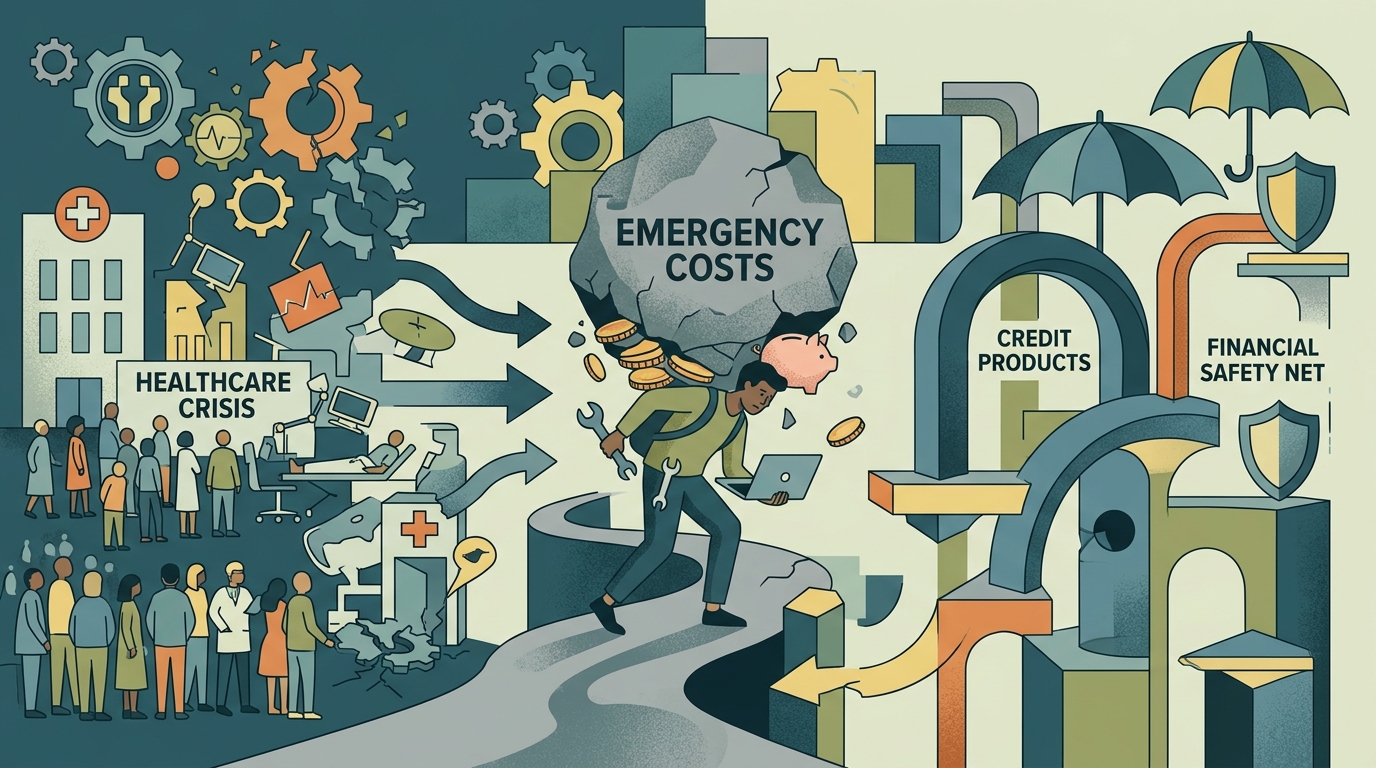
Healthcare providers are entering a period of significant financial volatility. According to data from CTI Leadership, industry EBITDA—a key measure of health system profitability—dropped from 11.2% in 2019 to just 8.9% by 2024 CTI Leadership. This decline is being compounded by state-level pressures, such as in California, where projections show that clinics face an increase in uncompensated care costs of up to $1 billion annually by 2030, largely driven by expected Medicaid rate reductions California State Government.
How it works
The mechanism is a classic squeeze on provider sustainability. Both the California State Government and CTI Leadership agree that the current economic model for many clinics is becoming untenable. As Medicaid reimbursement rates shrink, providers are forced to absorb the "uncompensated care" gap—services provided to patients who cannot pay or have limited coverage. To keep the lights on, clinics are pivoting toward value-based care models, but in the short term, this transition often results in tightened billing practices and reduced flexibility for patients who need payment plans.
Who it hits
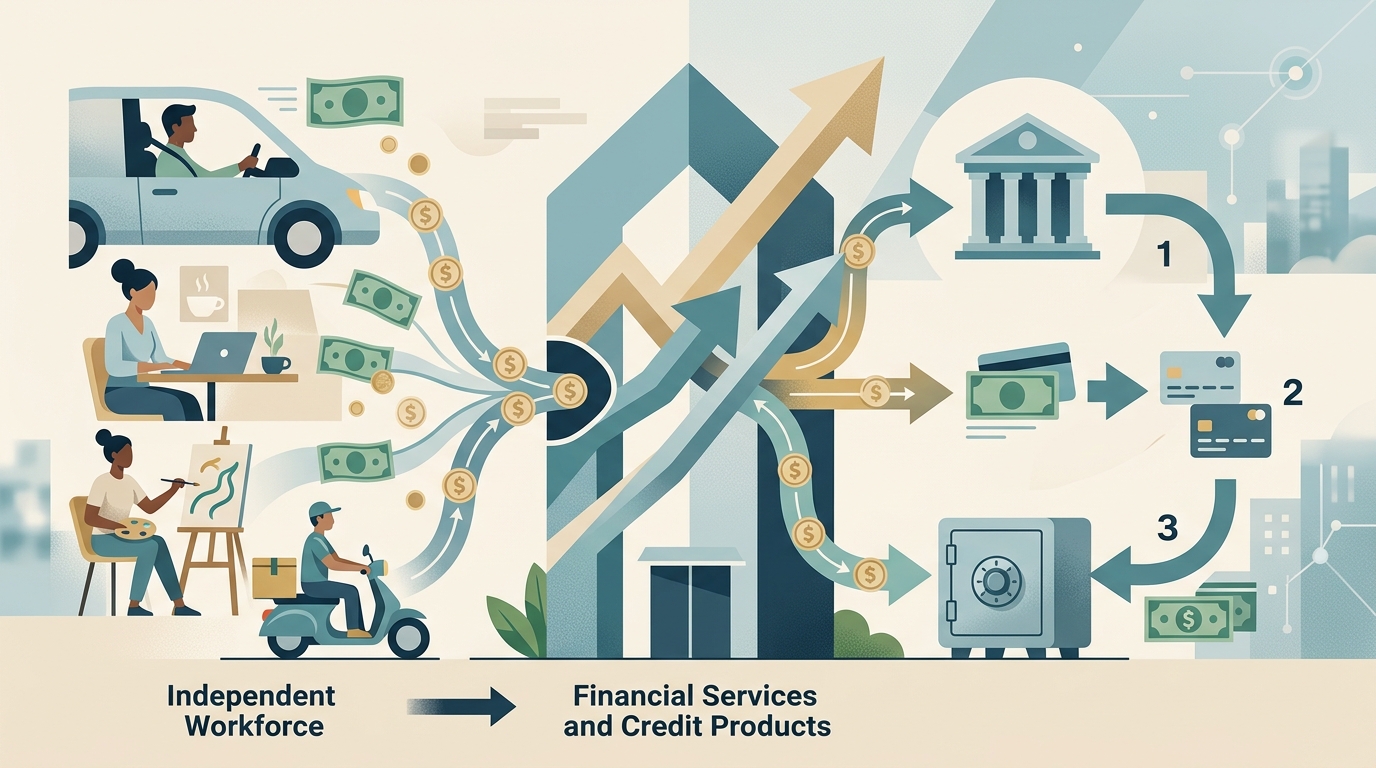
This trend impacts everyone relying on public health safety nets, but it disproportionately hits independent workers and those who utilize clinics for primary or urgent care. When margins fall, hospitals and clinics prioritize immediate cash collection over long-term payment arrangements. This means if you are "self-pay" or rely on state-subsidized insurance, you may face stricter upfront payment demands or be pushed toward third-party medical credit cards with high interest rates, rather than internal, zero-interest billing plans.
Why this matters for Independent contractors
For the gig workforce, your health is your business infrastructure. When clinics face declining margins, they stop acting like flexible partners and start acting like retail creditors. You likely operate with irregular cash flow; if a medical event forces you off the road for a week, you need flexible, low-cost repayment options. When healthcare providers are financially stressed, they are significantly less likely to offer these "in-house" payment plans.
This shift forces many gig workers to rely on high-interest medical credit lines or personal loans just to cover urgent care visits, adding a hidden "interest tax" to your healthcare. If you rely on platform-based income, a surprise medical bill can now trigger a cascade of credit utilization issues, potentially lowering your credit score and making it harder to qualify for vehicle financing or equipment loans you need to maintain your business.

Bottom line
Healthcare providers are facing a financial crunch that will likely lead to less flexible, more aggressive billing practices for uninsured or underinsured patients. If you work in the gig economy, prepare for stricter payment terms and have a contingency plan for out-of-pocket medical expenses.
[Check your eligibility for income-stabilizing credit lines here.]
Disclosures
This content is for educational purposes only and is not financial advice. thegig.news may receive compensation from partner lenders, which may influence which products are featured. Rates, terms, and availability vary by lender and applicant qualifications.
Ready to check your rate?
Pre-qualifying takes 2 minutes and won't affect your credit score.
Frequently asked questions
Why are healthcare providers struggling financially right now?
Providers are dealing with a double-whammy: rising costs for uncompensated care (care provided without payment) and shrinking profit margins, which have dropped significantly compared to pre-pandemic levels.
How does this affect my personal medical bills?
When providers struggle to cover costs through Medicaid or insurance, they often have to balance their books elsewhere. This can lead to tighter credit policies for medical payment plans or higher out-of-pocket demands.
What is 'EBITDA' and why does it matter to me?
EBITDA is a measure of profitability. When it drops for health systems, it signals that these organizations have less cash on hand to offer flexible billing or patient financial assistance programs.